
Polypropylene Random Copolymer
Polypropylene Random Copolymer
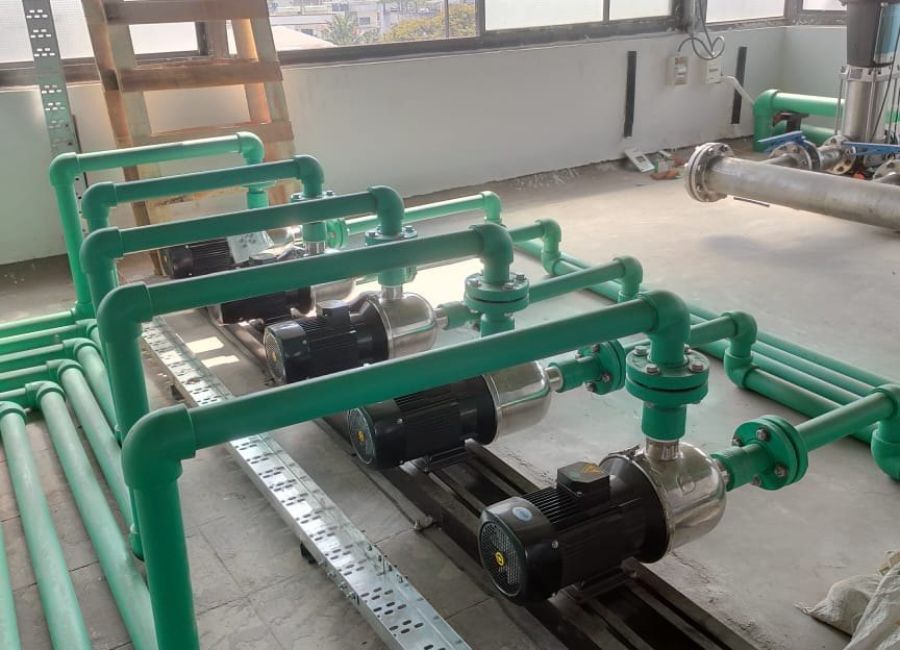
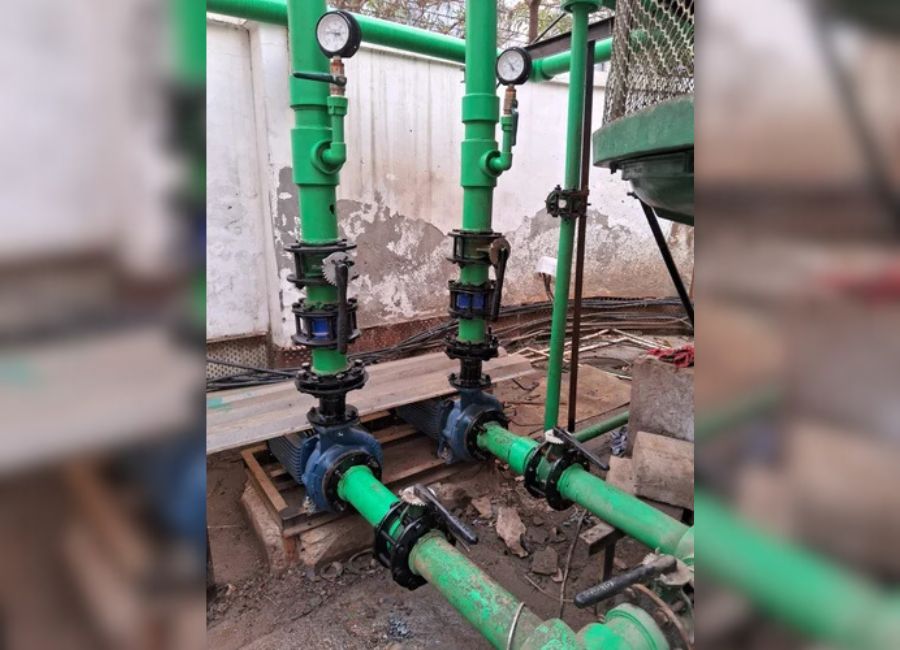
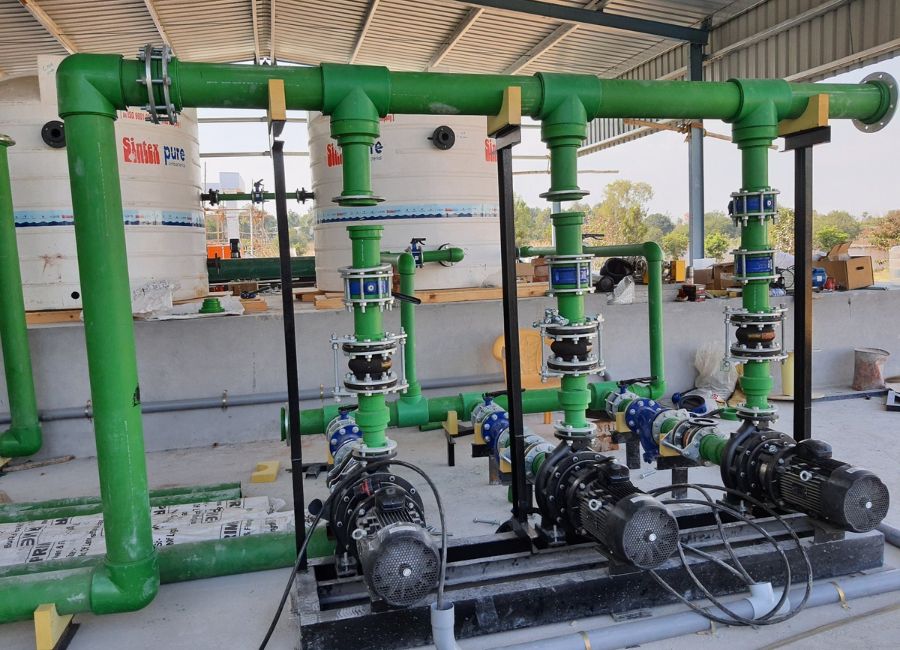
PPR-C (Polypropylene Random Copolymer) pipes and fittings are a modern, reliable and eco-friendly solution for hot and cold-water distribution. Known for their high durability, non-toxic properties and excellent resistance to high pressure and temperature, PPR-C systems are widely used in residential, commercial and industrial projects worldwide.
Key Features
PPR-C pipes are engineered for strength and reliability, ensuring a long service life even under high pressure and frequent usage. They provide consistent performance for decades without significant degradation.
Unlike traditional metal pipes, PPR-C pipes do not rust or corrode, keeping the water pure and safe. Their non-reactive nature guarantees better hygiene and extended pipe integrity.
With excellent insulating properties, PPR-C pipes help maintain water temperature in both hot and cold systems. This reduces energy loss and improves overall system efficiency.
By combining durability, low maintenance, and long lifespan, PPR-C pipes prove to be a highly economical choice. They save money in both installation and long-term operation.
PPR-C pipes can withstand a wide range of aggressive chemicals, making them suitable for domestic, commercial, and industrial applications without fear of damage.
Lightweight yet sturdy, these pipes are easy to transport, handle, and install. The simple joining methods reduce labor costs and time during installation.
The inner surface of PPR-C pipes is exceptionally smooth, preventing scaling and deposit build-up. This ensures a steady flow of water and reduces chances of blockages.
Applications
PPR-C pipes are commonly used in HVAC (Heating, Ventilation, and Air Conditioning) systems due to their excellent thermal insulation properties. They help in reducing energy consumption by minimizing heat loss or gain in hot and cold water distribution systems.
In industrial settings, PPR-C pipes are used for insulated piping systems, especially for transporting hot or cold fluids. Their thermal resistance is key to preventing energy wastage and ensuring smooth system performance over long periods.
PPR-C pipes are widely used in residential plumbing systems, especially for hot water distribution. Their ability to withstand high temperatures makes them ideal for use in domestic heating and hot water applications.
Due to their inherent flexibility and smooth surface, PPR-C pipes also help in reducing sound transmission, making them ideal for use in noise-sensitive environments like hotels, hospitals, and schools.
In industrial facilities, PPR-C pipes are used to create insulated pipe networks for the transportation of steam, hot water, and other high-temperature fluids. Their resistance to thermal loss ensures that the plant operates efficiently, minimizing energy costs.
PPR-C pipes are often used for cold water piping systems due to their high resistance to temperature changes and their low thermal conductivity. This ensures that cold water systems maintain their temperature and flow efficiency.